
October 19, 2026
Mackinac Island gathering connects thirteen island communities through practical learning and shared priorities
FOR IMMEDIATE RELEASE
MACKINAC ISLAND, MI — Nearly one hundred island leaders, residents and partner organizations left the October 4-7 Great Lakes Islands Summit with housing models, tourism strategies and new connections to bring home, alongside two Great Lakes Islands Alliance (GLIA) projects designed to make island information easier to find, share, and leverage for outreach. Hosted on Mackinac Island with sessions based at Mission Point Resort, the gathering combined community-led discussions, field trips, and planning for the inter-island network’s next steps.
Among the islands represented were thirteen communities, including twelve from the Great Lakes region: Amherst Island (Lake Ontario, Ontario, Canada); Beaver Island and Washington Island (Lake Michigan, Michigan and Wisconsin, USA); Drummond Island, Les Cheneaux Islands, Mackinac Island, Manitoulin Island, and Neebish Island (Lake Huron, Michigan, USA, and Ontario, Canada); Kelleys Island, Pelee Island, and South Bass Island aka Put-in-Bay (Lake Erie, Ohio, USA, and Ontario, Canada); and Madeline Island (Lake Superior, Wisconsin, USA). Several individuals affiliated with the Island Studies Program at the University of Prince Edward Island (Gulf of St. Lawrence, Canada) brought an additional perspective from outside the Great Lakes region.
Though predominantly island residents, the Summit also welcomed representatives from several key regional and global organizations such as Climate Strong Islands Network, the Charles Stewart Mott Foundation, and The Stewardship Network. Other non-island organizations represented included the Greater Sandusky Partnership & Shores & Islands Ohio, the Great Lakes and St. Lawrence Cities Initiative, Kokosing Industrial, Resource Recycling Systems, and Saltwater Solutions.
Sessions addressed ongoing concerns facing islands, including tourism and marketing, environmental conservation, economics and advocacy, historic preservation, and recreation. Discussions explored cultural tourism, heritage and community identity, and funding models. Local leadership from Mackinac Island featured prominently in presentations and discussions, including the City of Mackinac Island Recreation Department, Mackinac State Historic Parks, Mackinac Island Carriage Tours, and the Historic District Commission. In each session, the focus was on specific ideas and case studies that could be transferred between island communities.
In addition to traditional conference presentations, summit attendees had the opportunity to visit local sites through guided field trips including housing visits to Forest Way and Edgewood (affordable housing developments), as well as the Inn at Stonecliffe (a historic estate), demonstrating local solutions to the need for sustainable and affordable housing through nonprofit support and collaborative models with private and public sector development. Attendees also heard from the island’s public works staff at the water treatment facility, from business owners at historic properties, and from local naturalists about plant and animal preservation.
The Summit served as an occasion for GLIA to present network and project updates. Participants received print proof copies of the Great Lakes Islands Navigator, a forthcoming publication introducing island environments, history, culture, and transportation. An accompanying online Great Lakes Islands Resource Directory will provide dedicated island landing pages with public information and links covering transportation, island life, essential services, conservation and culture. Both projects emphasize verified, publicly available information with the goal of fostering a more interconnected and accessible network among island communities, as well as raise awareness by the mainland public.
GLIA staff updated attendees on recent and upcoming work including monthly online meetings, webinars, publications, and expanded communications. Priorities for 2027 and beyond include welcoming and engaging new members, involving younger islanders, and developing an island news digest to share emerging issues facing island communities.
Feedback from Summit participants underscored the importance of collaboration, shared resources, and connections among island communities. One attendee described the event as “a meaningful gathering which has led us to knowing there are others,” while another reflected, “We all have so much to learn, and this is a great avenue.” Angel Welke, Chair of the GLIA Steering Committee said, “What makes this Summit so valuable is the recognition that, while every island has its own identity and challenges, none of us has to face those challenges alone. We are seeing conversations that start here turn into meaningful, ongoing relationships, practical solutions, and new ideas that participants bring home.”
Although the majority of the Summit was educational and professional in nature, attendees also had a chance to experience and enjoy island life. An educational boat tour for Summit participants connected the island’s history with its environment in a leisurely cruise around the island, and the final evening of the Summit concluded with a lively game of “Island Trivia” accompanied by live music where teams answered questions about each Great Lakes island.
This event was GLIA’s seventh Islands Summit. GLIA thanks its major supporting partners, The Stewardship Network; the Michigan Department of Environment, Great Lakes, and Energy; the Charles Stewart Mott Foundation; and the Mackinac Island Community Foundation, as well as over 30 local businesses, organizations, and individuals that contributed as sponsors. The complete sponsor list is available on the GLIA website at glialliance.org/donate.
About GLIA
Great Lakes Islands Alliance (GLIA) is a voluntary, multinational, collaborative network that brings together individuals from year-round island communities across the Great Lakes. GLIA fosters cross-island collaboration to address shared challenges such as housing, transportation, climate resilience, and economic prosperity. With members representing island communities in the U.S. and Canada, GLIA serves as a grassroots-driven network promoting stewardship, sustainability, and cultural exchange.
Media Contact:
Philip Rice, Communications Specialist
price@stewardshipnetwork.org
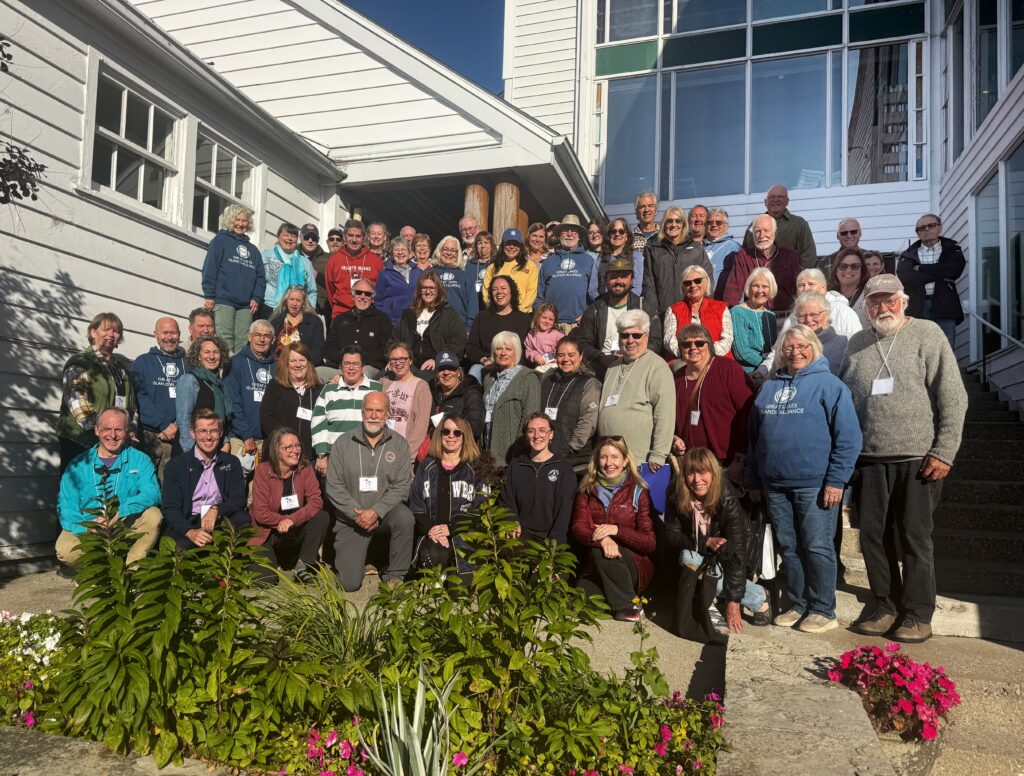
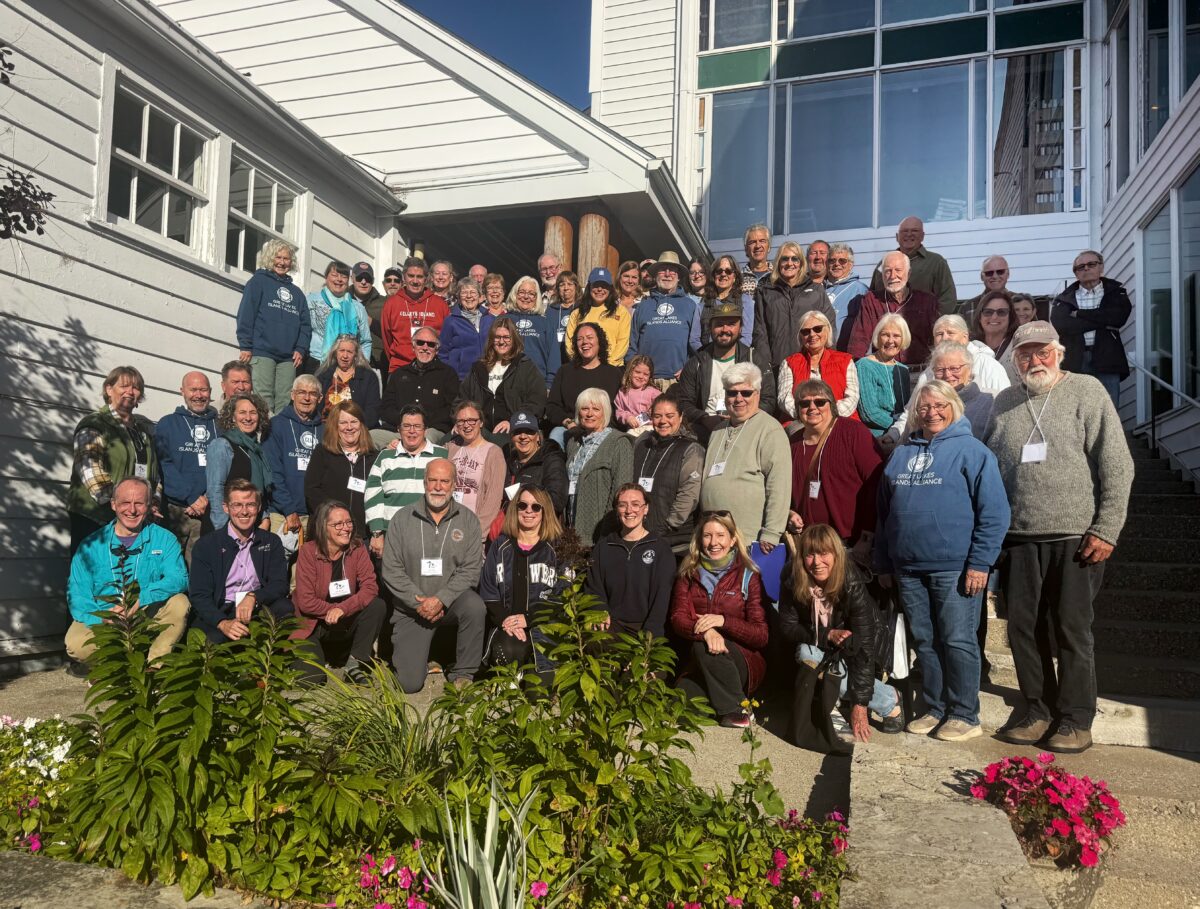
1. Summit attendees at the conclusion of the event outside the Mission Point Resort Conference Center
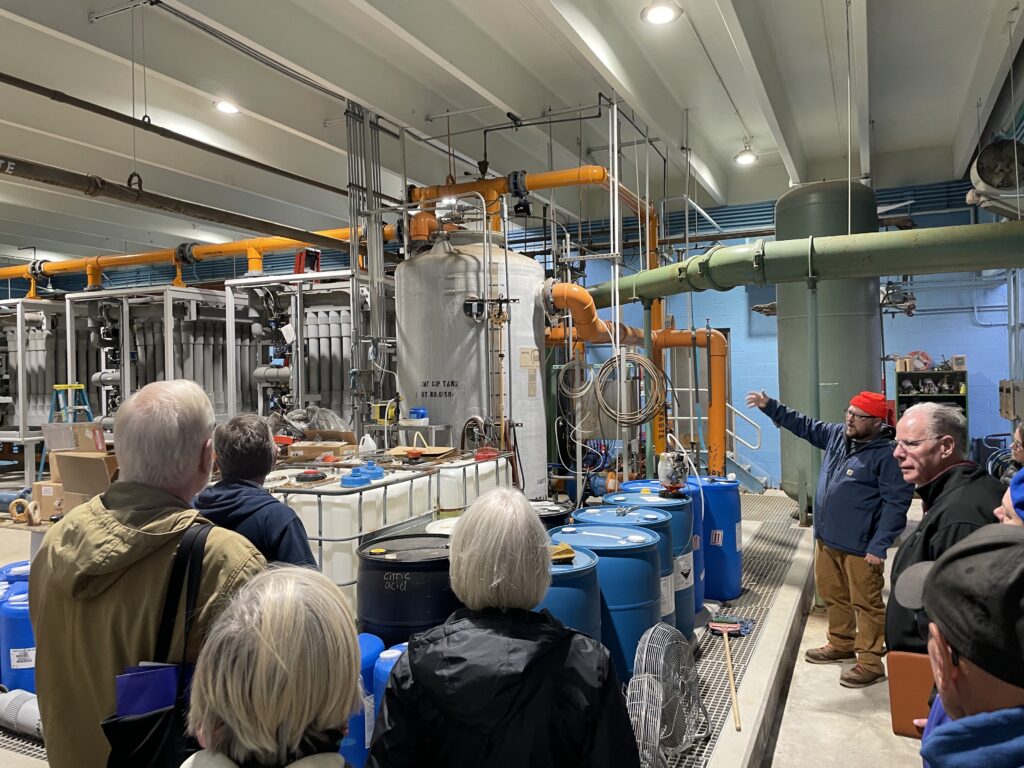
2. Summit attendees had the unique opportunity to tour the water treatment plant on Mackinac Island
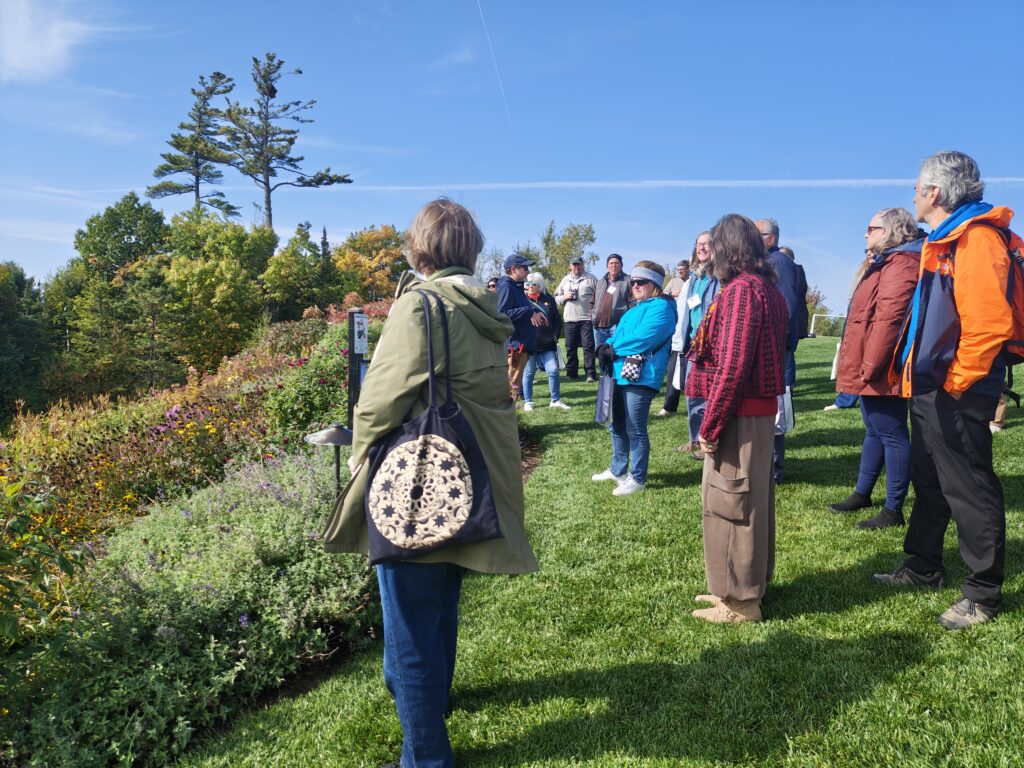
3. Summit attendees received a guided tour of the pollinator gardens at the Inn at Stonecliffe, highlighting sustainable ecology and habitat stewardship, key focus areas of GLIA
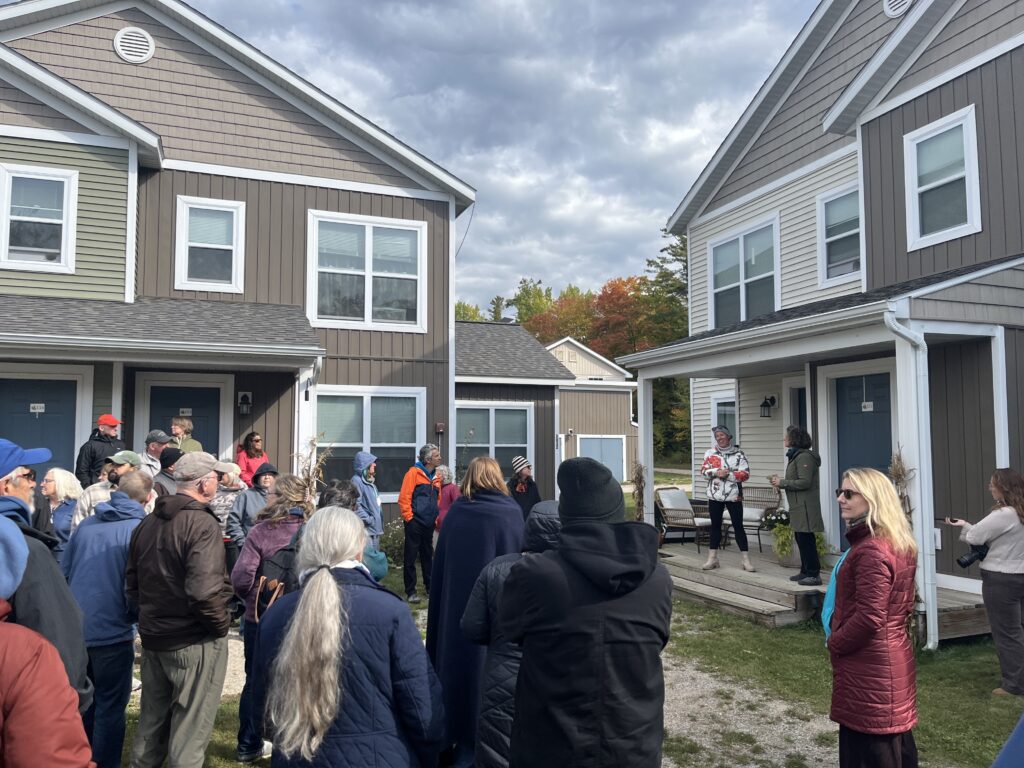
4. Summit attendees were given a tour of workforce housing at Forest Way Townhomes, an effort led by the City of Mackinac Island and the Mackinac Island Community Foundation